Sports Injury Treatment | Physiotherapy & Rehabilitation
Expert Assessment and Treatment for Sports Injuries
Sports injuries can occur suddenly during activity or develop gradually over time due to repeated loading. Whether you are a runner, gym user, footballer or simply trying to stay active, injuries can significantly impact performance, confidence and day-to-day function.
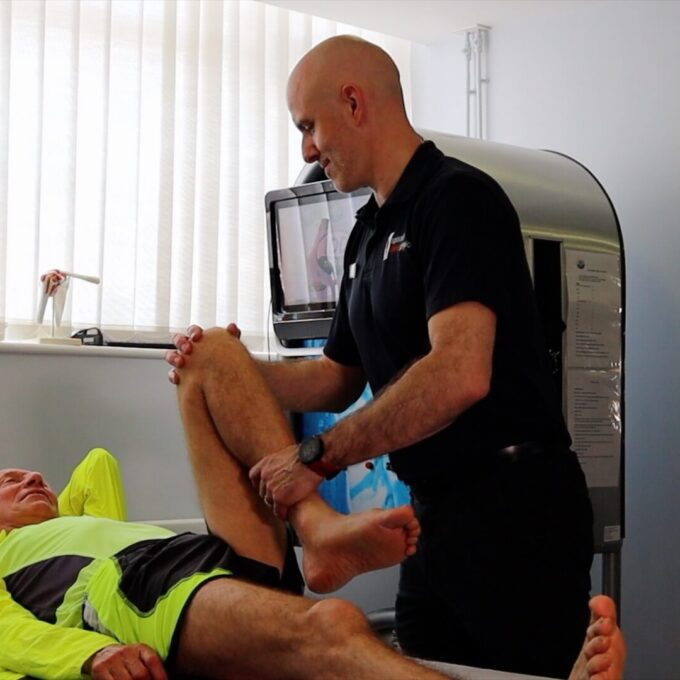
At Sports & Spinal Physio, we assess and treat a wide range of sports-related injuries using a structured, evidence-based approach. Our focus is not only on reducing pain, but restoring strength, control and resilience to help you return to activity safely and reduce the risk of recurrence.
Whether your injury happened during sport or has built up over time, this page outlines the most common sports injuries we treat and the treatment options available.
Not sure what’s causing your pain? Book an assessment with our team
What Causes Sports Injuries?
Sports injuries may occur due to:
- Sudden trauma (e.g. twisting, landing or impact injuries)
- Repetitive overload without adequate recovery
- Rapid increases in training volume or intensity
- Poor load management or return-to-sport progression
- Muscle weakness or imbalance
- Reduced mobility or joint control
- Biomechanical factors affecting movement efficiency
The underlying cause of injury is often multifactorial, which is why accurate assessment is essential.
Common Symptoms of Sports Injuries
You may experience:
- Pain during or after activity
- Swelling or stiffness in a joint or muscle
- Reduced strength or power
- Instability or giving way
- Pain with running, jumping or change of direction
- Muscle tightness or sharp pulling sensations
- Gradual onset pain that worsens over time
If these symptoms are affecting your ability to train or compete, a structured rehabilitation approach is recommended.
What Sports Injuries Do We Treat?
Below are some of the most common sports-related injuries we assess and manage.
Lower Limb Sports Injuries
Upper Limb Sports Injuries
Not sure what’s causing your pain? Book an assessment with our team
How Do We Assess Sports Injuries?
During your assessment we will:
- Take a detailed history of your injury and activity levels
- Assess movement patterns and biomechanics
- Evaluate strength, control and load tolerance
- Identify contributing factors such as mobility or technique
- Determine whether imaging or referral is required
This allows us to provide a clear diagnosis and structured rehabilitation plan.
Accurate diagnosis is essential before beginning treatment. Many sports injuries present with similar symptoms but require very different management strategies. Our approach focuses on both tissue healing and addressing the underlying factors that led to the injury.
Treatment Options at Sports & Spinal Physio
Treatment depends on your injury, goals and sport.
Rehabilitation May Include:
- Progressive strength and conditioning
- Tendon loading programmes
- Movement retraining and biomechanics
- Balance and stability training
- Manual therapy
- Return-to-running or return-to-sport planning
Our aim is to guide you safely back to your desired level of activity while reducing the risk of re-injury.
When Should You Seek Professional Help?
You should seek assessment if:
- Pain is limiting your ability to train or compete
- Symptoms are not improving after 1–2 weeks
- You have had a sudden injury (e.g. muscle tear or ligament injury)
- Pain keeps returning when you try to return to activity
- You feel instability or weakness
Early intervention typically leads to faster recovery and better long-term outcomes.
Frequently Asked Questions
Should I stop training if I have a sports injury?
Not always. In many cases, training can be modified rather than stopped completely.
How long do sports injuries take to recover?
Recovery time varies depending on the injury, but structured rehabilitation significantly improves outcomes.
Do I need a scan?
Not all injuries require imaging. This will be determined during your assessment.
Can physiotherapy prevent re-injury?
Yes — addressing strength, control and load management is key to reducing recurrence.
Next Steps: Use one of our 4 options below to get started...
What Our Patients Say
Finally
If you are still considering what to do or just browsing why not download one of our free guides below.