
Patellofemoral Pain Syndrome Treatment – Sports & Spinal Physio
Introduction
If you’ve been noticing a dull, aching pain around or behind your kneecap—especially when going downstairs, squatting, or sitting for long periods—you may be dealing with patellofemoral pain syndrome (PFPS). This is a common knee issue, particularly in teenagers and young adults, and is often seen in runners, cyclists, and active individuals.
Although it can feel frustrating and persistent, the condition is not usually serious and does not mean your knee is damaged. With the right approach, it’s very manageable. At Sports & Spinal Physio in Hutton Brentwood, we help people understand their knee pain and guide them back to activity with confidence. If this sounds familiar, you’re in the right place.
What is Patellofemoral Pain Syndrome?
Patellofemoral pain syndrome refers to pain coming from the joint between your kneecap (patella) and thigh bone (femur). This joint helps your knee bend and straighten smoothly.
Rather than being a structural problem, PFPS is usually related to how the joint is being loaded and controlled during movement. It’s a clinical diagnosis, meaning it’s typically diagnosed through assessment rather than scans.
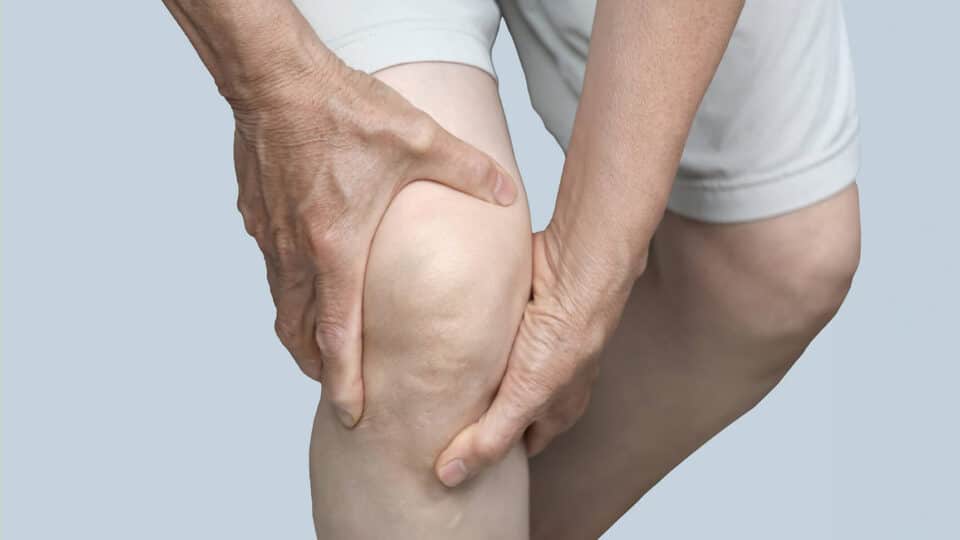
Common Symptoms
- Dull, aching pain around or behind the kneecap
- Pain when going up or down stairs (often worse going down)
- Discomfort with squatting, kneeling, or lunging
- Pain during or after running (especially downhill)
- Pain after prolonged sitting (“cinema sign”)
- Clicking or grinding sensations in the knee
- Usually little to no swelling
Common Causes & Risk Factors
- Repetitive activities like running or cycling
- Sudden increases in training load
- Poor movement control or biomechanics
- Muscle weakness (often around the hips and thighs)
- Prolonged sitting or kneeling
- More common in females and younger age groups (12–35)
Do I Need to See a Physio, GP or A&E?
You can monitor it if:
- Pain came on gradually (not from an injury)
- It’s linked to activity (e.g. stairs, running)
- Your knee feels stable and not locking
- There is no significant swelling
Physiotherapy is appropriate if:
- Pain is limiting your activity or sport
- Symptoms keep returning
- You want a clear rehab plan and guidance
Seek urgent care if you notice:
- A specific injury (twist, fall, or impact)
- Locking, catching, or giving way
- Pain at rest or at night
- Inability to weight-bear
- Redness, heat, or fever
These are not typical of PFPS and should be assessed further.
How We Assess and Treat This at Sports & Spinal Physio
At our clinic, we assess your knee alongside your movement patterns, strength, and activity levels. We look beyond the knee to understand contributing factors such as hip control and training habits.
Your treatment may include:
- Targeted strength and rehabilitation exercises
- Load management and activity modification
- Gait and movement analysis
- Footwear advice / Orthotics
- Hands-on therapy where appropriate
- Taping or bracing for short-term support
- Acupuncture if indicated
- Structured programmes such as our Knee Pain Programme
We focus on active rehab—helping you build strength and improve how your knee handles load over time.
What You Can Do at Home
- Stay active, but reduce activities that significantly increase pain
- Avoid complete rest—gradual loading is more effective
- Build strength in your hips and legs
- Avoid pushing through high levels of pain
- Be cautious with random online exercises—follow a structured plan
- Be patient—progress takes months, not days
Small, consistent changes will support long-term improvement.
Frequently Asked Questions
Why does my knee hurt when I go downstairs?
Going downstairs increases load on the kneecap joint, which can irritate it if it’s sensitive or not tolerating load well.
Do I need a scan?
Usually not. PFPS is typically diagnosed through assessment, and scans often don’t change treatment.
Should I stop running or exercising?
No. Complete rest isn’t helpful. Adjusting your activity and building strength is more effective.
Is this arthritis or wear and tear?
No, PFPS is not arthritis. It’s related to how the joint is being loaded, not joint damage.
How long will it take to get better?
Most people improve over weeks to months with the right rehab approach.
Is my kneecap out of place?
Unlikely. The issue is usually about control and loading, not the kneecap being misaligned.
Does pain mean I’m damaging my knee?
No. Pain in this condition doesn’t mean harm—it reflects sensitivity that can improve with rehab.
Ready to Get Started?
If knee pain is holding you back, the right guidance can help you move forward with confidence. At Sports & Spinal Physio in Hutton Brentwood, we’ll work with you to build a clear, personalised plan.
Book an assessment or arrange a discovery call today—we’re here to help you get back to doing what you enjoy.
Written By Pav Cichecki – MSK Physiotherapist
Next Steps: Use one of our 4 options below to get started...
What Our Patients Say
Finally
If you are still considering what to do or just browsing why not download one of our free guides below.