
Patellar Tendinopathy / Jumper’s Knee Treatment in Hutton Brentwood – Sports & Spinal Physio
Introduction
Patellar tendinopathy, often called jumper’s knee, can be frustrating when it affects sport, gym training, stairs or squatting. This page is for adolescents, young adults and active adults aged 15–40, especially people involved in jumping, sprinting or explosive lower-limb activity.
You may feel pain at the bottom of the kneecap, tenderness when pressing on the patellar tendon, stiffness when first starting activity, or pain during jumping, landing, sprinting and squatting. It may ease as you warm up, then feel worse afterwards.
Patellar tendinopathy is usually a load-management problem, not a damage problem. The tendon typically improves when load is modified and then progressively rebuilt through a structured strengthening programme. At Sports & Spinal Physio in Hutton Brentwood, we can help you understand your knee pain and guide your return to activity.
What is Patellar Tendinopathy / Jumper’s Knee?
The patellar tendon sits just below the kneecap and connects the kneecap to the shin bone. It helps transfer force when you jump, land, sprint, squat, climb stairs and change direction.
Patellar tendinopathy means the tendon has become sensitive to load. It usually develops gradually rather than from one single injury.
It is common in sports and activities that involve repeated jumping, landing, sprinting, heavy lower-limb training or explosive movement. Although it can be painful, it does not usually mean the tendon is torn or permanently damaged.
Tendons typically respond best to progressive loading, rather than complete rest alone.
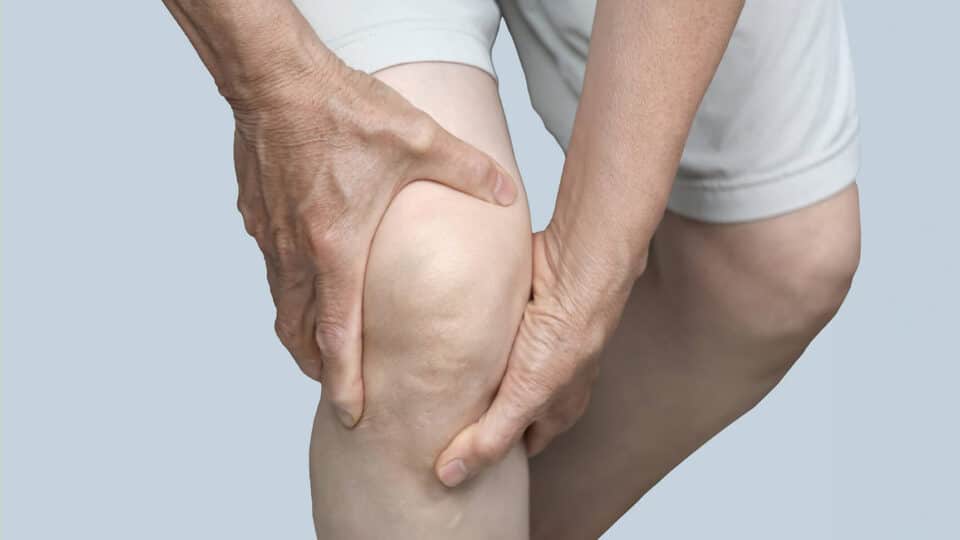
Common Symptoms
Common symptoms of patellar tendinopathy include:
- Pain at the bottom of the kneecap
- Pain over the patellar tendon
- Tenderness when pressing on the tendon
- Pain that develops gradually
- Pain during jumping
- Pain during landing
- Pain during sprinting
- Pain during squatting
- Stiffness when first starting activity
- Pain that may ease during exercise but worsen afterwards
- Reduced power when jumping or accelerating
- Pain on stairs
- Discomfort with prolonged sitting
- Decline in sporting performance
- Symptoms that start earlier during activity as they progress
Common Causes & Risk Factors
Patellar tendinopathy is often linked to the tendon being asked to do more than it is currently ready for.
Common causes and risk factors include:
- Basketball
- Volleyball
- Football
- Rugby
- Sprinting
- Track and field
- CrossFit
- Heavy lower-limb gym training
- Frequent jumping exercises
- Repetitive squatting
- Repetitive stair climbing
- Sudden spikes in training load
- Continuing maximal jumping or sprinting despite worsening pain
- Returning to full sport too quickly after symptoms settle
- Constantly testing the knee by jumping
- Relying only on passive treatment without strengthening
- Reduced lower-limb strength and capacity
It is more common in people involved in jumping and explosive sports, but it can also affect gym-goers and people whose work involves repeated squatting, jumping or stairs.
Do I Need to See a Physio, GP or A&E?
Patellar tendinopathy is usually not serious when symptoms develop gradually, there has been no major injury or sudden “pop”, pain is mainly linked to loading activities, the knee feels stable, and you can still walk normally.
Physio is appropriate if knee pain is affecting sport, jumping, sprinting, squatting, stairs, gym training or confidence. A physiotherapist can assess your tendon, strength, movement control, training load and return-to-sport needs.
You should seek medical advice promptly if you have sudden severe knee pain after an injury, a clear “pop” with immediate loss of function, major swelling, inability to walk normally, the knee giving way repeatedly, or symptoms that are rapidly worsening. These symptoms are not typical of straightforward patellar tendinopathy and should be checked.
How We Assess and Treat This at Sports & Spinal Physio
At Sports & Spinal Physio in Hutton Brentwood, we begin by understanding your symptoms, sport, training routine and goals. We will ask when the pain started, what loads aggravate it, and how it behaves during and after activity.
Your assessment may include checking patellar tendon tenderness, knee movement, lower-limb strength, squat control, jumping or landing mechanics, gait and training load. We may also look at how your knee responds to different levels of loading.
Treatment may include:
- Load management education
- Lower Limb Strength and rehabilitation exercises
- Gait and movement analysis
- Shockwave Therapy
- Footwear advice and Orthotics
Our approach focuses on rebuilding tendon capacity. Complete rest often reduces fitness and strength without solving the underlying load issue. The aim is to modify painful activity, strengthen the tendon and lower limb, then gradually return to sport or training.
Some discomfort during rehabilitation can be acceptable, but the programme should be structured and progressed carefully.
What You Can Do at Home
Try not to stop all exercise for a long period unless you have been advised to do so. Rest may calm symptoms briefly, but it does not rebuild tendon strength or capacity.
You may find it helpful to:
- Reduce jumping, sprinting and heavy squatting temporarily
- Avoid repeatedly testing the knee with jumps
- Avoid maximal training through worsening pain
- Keep training modified rather than stopping everything
- Monitor how the tendon feels later that day and the next morning
- Build lower-limb strength gradually
- Avoid relying only on stretching or passive treatments
- Return to sport in stages
- Review any training load spikes that may have triggered symptoms
Recovery often takes weeks to months rather than days, but the long-term outlook is generally very good with the right plan.
Frequently Asked Questions
Why does my knee hurt when I jump?
Jumping places high load through the patellar tendon. If the tendon is sensitive or not currently tolerating that load well, pain can appear at the bottom of the kneecap during take-off, landing or repeated jumping.
Do I need a scan?
Not always. Patellar tendinopathy can often be assessed clinically by looking at your symptoms, tendon tenderness, movement and loading response. Imaging may be considered if symptoms are unusual, severe or not improving as expected.
Should I stop playing sport completely?
Not always. You may need to reduce jumping, sprinting, match play or training intensity for a while, but complete rest is rarely the best long-term answer. The goal is to find a manageable level of activity while rebuilding capacity.
How long does jumper’s knee take to heal?
Recovery often takes weeks to months, depending on how long symptoms have been present, your sport, training load and strength levels. Progress is usually gradual, especially when returning to high-load jumping or sprinting.
Can I keep training if it hurts?
Some discomfort during rehab can be acceptable, but worsening pain, pain that lingers, or symptoms that affect daily activities may mean the load is too high. Training should be modified rather than ignored.
Have I torn my tendon?
Patellar tendinopathy is usually an overload problem rather than a tear. If there was no sudden pop, major swelling or immediate loss of function, a significant tear is less likely, but assessment can help clarify this.
Will stretching fix it?
Stretching alone is unlikely to resolve patellar tendinopathy. Tendons usually respond better to progressive strengthening and load management.
Book a Patellar Tendinopathy Assessment in Hutton Brentwood
If pain at the bottom of your kneecap is affecting jumping, sprinting, sport, stairs, squatting or gym training, we can help you understand what is going on.
At Sports & Spinal Physio in Hutton Brentwood, we will assess your knee, explain your symptoms clearly and guide you through a structured strengthening and return-to-activity plan.
Book an assessment or arrange a discovery call for supportive, personalised advice.
Written By Heenal Desai MSc Phys MCSP
Next Steps: Use one of our 4 options below to get started...
What Our Patients Say
Finally
If you are still considering what to do or just browsing why not download one of our free guides below.