
Ischiofemoral Impingement Treatment– Sports & Spinal Physio
Introduction
Ischiofemoral impingement can cause deep, awkward hip or buttock pain that is often hard to pinpoint. This page is for adults aged 25–60, runners, walkers, active gym-goers, people with hip mobility restrictions, and those recovering from hip or pelvic injuries.
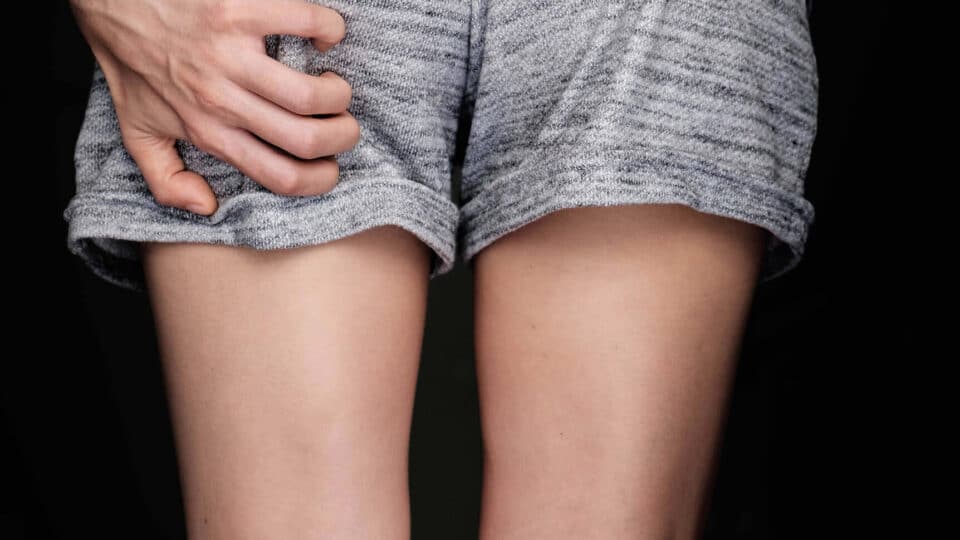
You may feel deep buttock or groin pain, discomfort with longer walking strides, pain during running, or symptoms extending towards the upper hamstring. Some people also notice clicking, pinching or a catching feeling around the hip.
Although the name sounds worrying, many cases improve well with physiotherapy and activity modification. Pain does not automatically mean there is severe structural damage. At Sports & Spinal Physio in Hutton Brentwood, we can assess your hip, explain what may be contributing to your symptoms, and guide you with a clear rehabilitation plan.
What is Ischiofemoral Impingement?
Ischiofemoral impingement refers to irritation in a small space deep in the back of the hip. This space sits between the sitting bone of the pelvis and the upper part of the thigh bone.
When this area becomes sensitive, it can cause pain around the deep buttock, groin or upper hamstring region. Symptoms may be more noticeable during walking with longer strides, running, or movements that place extra demand on the hip.
It is not always a simple “pinching” problem. Hip strength, movement control, previous injury, running load and mobility restrictions can all play a role.
Common Symptoms
Common symptoms of ischiofemoral impingement include:
- Deep buttock pain
- Groin pain
- Pain with longer walking strides
- Discomfort during running
- Pain extending into the upper hamstring region
- Clicking around the hip
- Pinching sensations around the hip
- Pain after increased walking or running
- Reduced confidence with hip movement
- Symptoms that feel difficult to locate clearly
Common Causes & Risk Factors
Ischiofemoral impingement can develop when the hip and pelvis are not tolerating current movement or loading demands well.
Common causes and risk factors include:
- Running
- Yoga movements
- Longer-distance walking
- Active gym training
- Hip mobility restrictions
- Previous hip injury
- Previous pelvic injury
- Returning to running too quickly
- Reduced hip strength
- Reduced movement control around the hip and pelvis
- Overstretching painful tissues
- Avoiding all activity for too long
- Focusing only on pain relief without rehabilitation
Improving hip strength and movement control is often more important than simply resting or stretching.
Do I Need to See a Physio, GP or A&E?
It may be okay to monitor mild symptoms for a short time if you can walk comfortably, symptoms are not worsening, and there has been no trauma or significant swelling. Temporarily reducing stride length, running volume or painful gym movements may help settle irritation.
Physio is appropriate if pain keeps returning, affects walking, running, gym training, or confidence with hip movement. A physiotherapist can assess your hip strength, mobility, walking pattern and loading tolerance, then help you build a plan to recover.
You should seek urgent medical advice from a GP, NHS 111 or A&E if you have:
- Inability to bear weight
- Severe trauma or a fall
- Significant swelling
- Fever
- Unexplained weight loss
- Severe night pain
- Progressive weakness or numbness
These symptoms are not typical of straightforward ischiofemoral impingement and should be checked.
How We Assess and Treat This at Sports & Spinal Physio
At Sports & Spinal Physio in Hutton Brentwood, we start by understanding where your pain is, what movements bring it on, and what activities you want to get back to. This may include walking, running, gym training, daily activity, or returning after a hip or pelvic injury.
Your assessment may include checking hip mobility, hip strength, walking pattern, stride mechanics, lower limb control and movements that reproduce your symptoms. We may also look at how your hip responds to different loads and positions.
Treatment may include:
- Strength and rehabilitation exercises
- Specific Stretching
- Load management education
- Gait and movement analysis
- A hip-focused rehabilitation programme
Our approach focuses on active rehab and education. The aim is not simply to rest until symptoms disappear, but to improve how your hip tolerates movement, walking, running and training over time.
What You Can Do at Home
Try not to avoid all activity unless symptoms are severe. Complete rest can reduce confidence and does not address strength or movement control.
You may find it helpful to:
- Shorten your walking stride temporarily if longer strides aggravate symptoms
- Reduce running volume or speed for a short period
- Avoid repeatedly stretching into painful positions
- Keep moving within a comfortable range
- Modify gym exercises that cause pinching or deep buttock pain
- Build hip strength gradually
- Return to running in stages
- Monitor how symptoms respond over 24–48 hours after activity
The goal is to find a level of movement that your hip can tolerate, then build from there.
Frequently Asked Questions
Why does walking aggravate it?
Walking with a longer stride can increase demand around the back of the hip and upper hamstring region. Temporarily adjusting stride length and improving hip strength may help reduce irritation.
Is this a hip problem or a hamstring problem?
It can feel like either. Ischiofemoral impingement may cause deep buttock, groin or upper hamstring pain, so an assessment can help identify which structures and movements are most likely involved.
Do I need a scan?
Not always. Many cases can be assessed and managed through a physical examination and rehabilitation plan. A scan may be considered if symptoms are severe, unusual, linked to trauma, or not improving as expected.
Can I still exercise?
In many cases, yes. You may need to modify running, walking distance, stride length or certain gym exercises for a while, but avoiding all activity is rarely the best long-term solution.
How long does recovery take?
Recovery depends on symptom severity, how long the issue has been present, your activity level and how well the hip responds to loading changes. Many people improve with consistent strengthening, movement control and sensible activity modification.
Should I stretch the painful area?
Aggressive stretching into pain may aggravate symptoms. In many cases, improving strength and control is more useful than repeatedly stretching sensitive tissues.
Book an Ischiofemoral Impingement Assessment
If deep buttock, groin or upper hamstring pain is affecting your walking, running, gym training or daily movement, we can help you understand what is going on.
At Sports & Spinal Physio in Hutton Brentwood, we will assess your hip, explain your symptoms clearly and guide you through a practical rehabilitation plan.
Book an assessment or arrange a discovery call for supportive, personalised advice.
Written By Amirtha Raman MSc Phys MCSP
Next Steps: Use one of our 4 options below to get started...
What Our Patients Say
Finally
If you are still considering what to do or just browsing why not download one of our free guides below.