
Gluteal Tendinopathy Treatment in Hutton Brentwood – Sports & Spinal Physio
Introduction
If you’ve been experiencing a deep, aching pain towards the outside of your hip and buttock—sometimes spreading down the side of your leg—you may be dealing with gluteal tendinopathy. This condition is especially common in women over 40 and is often mistaken for sciatica or a hip problem. The discomfort can make everyday activities like walking, climbing stairs, or even lying on your side difficult.
The good news is that this is a manageable condition with the right guidance. At Sports & Spinal Physio, we regularly help people reduce pain and get back to normal movement with tailored treatment plans. If this sounds familiar, you’re not alone—and support is available.
What is Gluteal Tendinopathy?
Gluteal tendinopathy is a condition affecting the tendons of the gluteal muscles (your buttock muscles), particularly where they attach to the outside of your hip. Tendons are strong tissues that connect muscle to bone, but they can become irritated or overloaded over time.
Rather than being a muscle problem, this is a tendon issue—so treatments like aggressive stretching can sometimes make it worse instead of better. More recently this condition has become known as GTPS (a collective term for bursitis and tendinopathy pains affecting the outside of the hip).
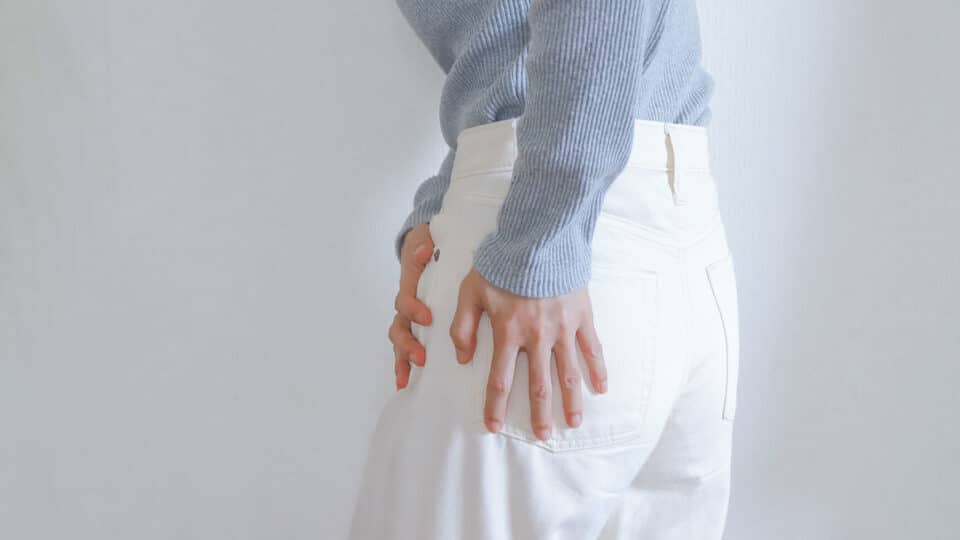
Common Symptoms
- Pain on the outside of the hip or deep in the buttock
- Pain that may travel down the outer thigh
- Discomfort when lying on your side (especially at night)
- Pain when walking, climbing stairs, or standing on one leg
- Tenderness when pressing the outer hip
- Stiffness or weakness around the hip
Common Causes & Risk Factors
- Most common in women aged 40+
- Sudden increase in activity levels (e.g. walking or exercise)
- Prolonged standing or walking
- Poor movement patterns or muscle weakness
- Previous hip, back, or lower limb injuries
- Habitual postures (e.g. sitting cross-legged)
Do I Need to See a Physio, GP or A&E?
In many cases, gluteal tendinopathy is not serious and can be managed effectively with physiotherapy.
You can monitor it if:
- The pain is mild and not worsening
- You can still move and weight-bear
Physiotherapy is appropriate if:
- Pain persists for more than a few weeks
- It’s affecting your sleep or daily activities
- You’re unsure if it’s sciatica or a hip issue
Seek GP or urgent care if you notice:
- Changes in bowel or bladder function
- Severe, unexplained weakness
- Significant groin pain or trauma
These symptoms are uncommon but should be checked promptly.
How We Assess and Treat This at Sports & Spinal Physio
At our Hutton clinic, we start with a detailed assessment to understand your symptoms, movement patterns, and lifestyle factors. This helps us confirm whether it’s gluteal tendinopathy and rule out other causes like sciatica or hip joint issues.
Your treatment may include:
- Hands-on therapy to ease discomfort
- Taping to off load the tendon
- A structured strength and rehabilitation programme
- Load management advice to reduce tendon irritation
- Gait and movement analysis to improve how you move
- Shockwave therapy (for more persistent cases)
- Acupuncture where appropriate
We focus on active rehab and education, helping you build strength and confidence while avoiding flare-ups. For longer-standing symptoms, we may guide you through a dedicated tendon or shockwave therapy programme.
What You Can Do at Home
- Avoid sitting cross-legged, as this can compress the tendon
- Try not to overstretch the glutes—this can aggravate symptoms
- Modify activities that increase pain (e.g. reduce long walks temporarily)
- Use pillows to support your legs when sleeping on your side
- Stay active within comfortable limits rather than complete rest
- Modify your walking to a wider stance
Small changes in daily habits can make a big difference to recovery.
Frequently Asked Questions
Is this the same as sciatica?
No, although symptoms can feel similar. Gluteal tendinopathy usually causes pain on the outside of the hip and thigh, whereas sciatica often follows a nerve pattern down the leg.
Will stretching help my glutes?
In this case, stretching can actually irritate the tendon further. A guided strengthening programme is more effective.
How long does it take to recover?
Recovery varies, but many people improve within weeks to a few months with the right approach.
Can I keep walking or exercising?
Yes, but it may need to be modified. Too much load can worsen symptoms, so pacing is important.
Is this the same as Bursitis?
Patients are often diagnosed with Trochanteric Bursitis, when in fact the problem is Gluteal Tendinopathy, sometimes it’s a combination of the two. For this reason, you may hear the condition referred to as GTPS (Greater Trochanteric Pain syndrome). Either way these conditions are treated in the same way.
Is it a serious condition?
No, it’s not considered serious. It can be painful but responds well to appropriate physiotherapy.
Why is it more common in women?
Hormonal and anatomical factors may play a role, particularly around midlife.
Will I need shockwave therapy?
Not always. It’s typically used for more persistent cases that haven’t improved with exercise alone.
Ready to Get Started?
If you’re struggling with hip or buttock pain and want clear answers, we’re here to help. At Sports & Spinal Physio in Brentwood, we offer personalised assessments and treatment plans tailored to you.
Book an appointment or arrange a discovery call to take the first step towards moving more comfortably again.
Written By Amirtha Raman – MSK Physiotherapist
Next Steps: Use one of our 4 options below to get started...
What Our Patients Say
Finally
If you are still considering what to do or just browsing why not download one of our free guides below.