Flat Feet Treatment in Hutton, Brentwood – Sports & Spinal Physio
Introduction
Flat feet are very common and do not always cause pain. This page is for children, teenagers and adults with flat feet, especially if they are linked with foot or ankle pain, stiffness, weakness, recurrent injuries, walking changes or reduced confidence with activity.
You may notice that the inside arch of the foot looks low or absent when standing. Some people have no symptoms at all. Others experience aching around the foot or ankle, fatigue, stiffness, balance problems, recurrent injuries or difficulty with walking, running or sport.
The important question is not simply “how flat are my feet?”, but whether your feet are painful, weak or stopping you doing what you want to do. At Sports & Spinal Physio in Hutton, Brentwood, we can assess your foot function and guide you with practical advice.
What is Flat Feet?
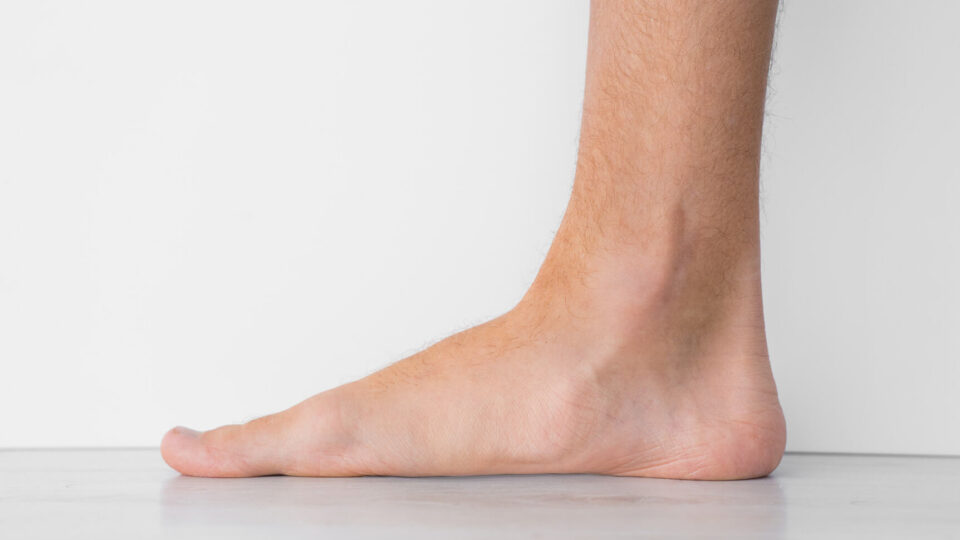
Flat feet means the arch on the inside of the foot appears low or reduced, especially when standing. This can be completely normal for many people.
Some people have flat feet from childhood and never experience pain. In adults, the arch can sometimes become flatter over time, which may need assessment if it is new, one-sided or linked with pain and weakness.
Flat feet do not automatically mean your feet are abnormal. They also do not always explain knee, hip or back pain. Foot shape is only one part of the picture.
Insoles and exercises may help symptoms, but they do not usually permanently change the shape of the foot. The aim is to improve strength, comfort, control and function.
Common Symptoms
Flat feet may cause no symptoms at all.
When symptoms are present, they may include:
- A low or absent arch when standing
- Aching around the foot
- Aching around the ankle
- Foot fatigue
- Ankle fatigue
- Stiffness
- Recurrent foot or ankle injuries
- Difficulty walking longer distances
- Balance problems
- Changes in walking pattern
- Pain during running or sport
- Reduced confidence with exercise
- One foot looking flatter than the other
- The arch becoming flatter over time
Common Causes & Risk Factors
Flat feet can be part of normal foot shape, but symptoms may develop when strength, mobility or load tolerance are reduced.
Common causes and risk factors include:
- Childhood foot shape
- Natural variation in foot structure / Genetics
- Adult arch changes over time
- Running
- Walking longer distances
- Gym training
- Standing for long periods
- Reduced foot or ankle strength
- Reduced balance
- Recurrent ankle or foot injuries
- Sudden increases in activity
- Buying orthotics without addressing strength or movement
- Trying to force the arch into a certain position
- Stopping sport unnecessarily
- Assuming foot shape automatically explains all pain
- Ignoring a newly developed or one-sided change in foot shape
Many people with flat feet run, walk, train and play sport without problems.
Do I Need to See a Physio, GP or A&E?
Flat feet are usually not a problem if they have been present for a long time, are not painful, and do not affect walking, balance or activity.
Physio is appropriate if flat feet are linked with pain, weakness, stiffness, recurrent injuries, reduced balance, walking changes or difficulty with running or sport. A physiotherapist can assess foot strength, ankle control, lower-limb movement, gait and activity tolerance.
You should seek medical assessment if:
- The foot has recently become flat when it was previously normal
- Only one foot has suddenly changed shape
- There is significant pain
- There is weakness or numbness
- Walking or balance is becoming difficult
- There are recurrent unexplained foot or ankle injuries
- There is significant swelling, redness or heat
- You have a fever or feel unwell
- There is an open wound or ulcer
A new or rapidly changing flat foot deserves proper assessment rather than simply being labelled as normal flat feet.
How We Assess and Treat This at Sports & Spinal Physio
At Sports & Spinal Physio in Hutton, Brentwood, we begin by understanding whether your flat feet are actually causing symptoms. We will ask about pain, walking, running, sport, work demands, footwear, previous injuries and whether your foot shape has changed recently.
Your assessment may include checking foot posture, ankle movement, foot strength, calf strength, balance, walking pattern and lower-limb control. We may also look at how your feet behave during single-leg tasks, squatting, running or gym movements if relevant.
Treatment may include:
- Strength and rehabilitation exercises
- Calf stretches
- Load management education
- Gait and movement analysis
- Lower Limb Programme
We may also discuss footwear or orthotics where appropriate. Orthotics can help some people manage symptoms, but they are not always needed forever and should usually sit alongside strengthening and movement work.
Our focus is on improving what your foot can do, not just how flat it looks.
What You Can Do at Home
Try not to worry purely about the appearance of your arches. Many flat feet are strong, pain-free and fully functional.
You may find it helpful to:
- Keep active if your feet are not painful
- Avoid stopping running or sport unnecessarily
- Build foot and calf strength gradually
- Work on balance and control
- Wear footwear that feels comfortable and supportive
- Avoid trying to force your arch into a certain shape
- Use orthotics only when helpful and appropriate
- Monitor whether one foot is changing shape
- Seek advice if pain, weakness or walking difficulty develops
- Focus on function rather than appearance
Don’t worry about how flat your feet look. Focus on whether they are painful, weak or stopping you doing what you want to do.
Frequently Asked Questions
Are my flat feet causing my pain?
They might contribute, but flat feet do not automatically cause pain. Assessment can help identify whether your symptoms are linked to foot strength, mobility, footwear, activity load or another factor.
Do I need orthotics?
Not always. Orthotics may help some people reduce symptoms or improve comfort, but they are not always needed forever. Strengthening, footwear advice and gait work may also be important.
Can I still run with flat feet?
Yes, many people run with flat feet without problems. If running causes pain, the answer is usually to assess strength, training load, footwear and gait rather than stop running automatically.
Can exercises build my arch back up?
Exercises may improve strength, control and comfort, but they do not usually permanently change the shape of the foot. The goal is better function, not necessarily a higher-looking arch.
Will my flat feet get worse?
Not always. Many people have flat feet throughout life without worsening or symptoms. A new, rapidly changing or one-sided flat foot should be assessed.
Are flat feet abnormal?
No. Flat feet are common and often a normal variation. They only need attention if they are painful, changing, weak or affecting function.
Are my flat feet causing my knee or back pain?
Foot shape may be one contributing factor, but it rarely explains everything on its own. Knee or back pain is usually influenced by strength, movement, load, activity and other factors too.
Book a Flat Feet Assessment in Hutton, Brentwood
If flat feet are linked with pain, weakness, recurrent injuries, walking problems or difficulty staying active, we can help you understand what is going on.
At Sports & Spinal Physio in Hutton, Brentwood, we will assess your foot and lower-limb function, explain your options clearly and guide you through a practical strength and movement plan.
Book an assessment or discovery call for supportive, personalised advice.
Written By Hannah Fordham BSc (Hons) Pod Med MCPod PGCert PSM
Next Steps: Use one of our 4 options below to get started...
What Our Patients Say
Finally
If you are still considering what to do or just browsing why not download one of our free guides below.