
Spinal Stenosis and Nerve Compression Treatment in Hutton, Brentwood – Sports & Spinal Physio
Introduction
Spinal stenosis and nerve compression can sound worrying, especially when scan reports use words like “narrowing”, “compression” or “trapped nerves”. This page is for adults over 50, although it can also affect younger people with disc problems or previous spinal injury. It is particularly relevant if symptoms limit walking, standing, hiking, gardening, work or exercise.
You may feel aching, burning, heaviness, tingling, numbness or weakness in one or both legs. Symptoms are often brought on by standing or walking and eased by sitting, cycling or bending forwards. Some people find they can only walk a certain distance before needing to stop.
Spinal stenosis is common as we get older, and narrowing does not automatically mean the nerves are being permanently damaged. At Sports & Spinal Physio in Hutton, Brentwood, we can help you build strength, confidence and walking ability safely.
What is Spinal Stenosis and Nerve Compression?
Spinal stenosis means there is narrowing in part of the spine where nerves travel. In the lower back, this is called lumbar spinal stenosis.
This narrowing can sometimes irritate or compress nerves that supply the legs. When this happens, symptoms may travel into one or both legs and may include pain, heaviness, tingling, numbness or weakness.
A common pattern with lumbar spinal stenosis is that standing and walking bring symptoms on, while sitting, cycling or leaning forwards feels easier. This does not mean your spine is breaking. It is a characteristic feature of the condition.
The amount of narrowing seen on a scan does not always match the severity of symptoms. Some people have significant narrowing without many symptoms, while others may feel more limited.
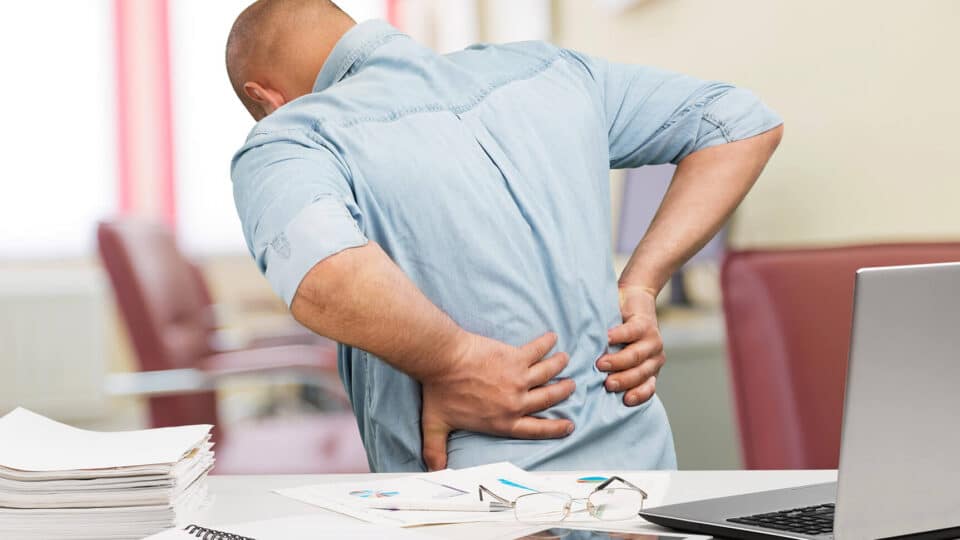
Common Symptoms
Common symptoms of spinal stenosis and nerve compression include:
- Low back pain
- Aching in one or both legs
- Burning in the legs or calves
- Heavy legs when walking
- Tingling into the leg or foot
- Numbness into the leg or foot
- Weakness into the leg or foot
- Symptoms brought on by standing
- Symptoms brought on by walking
- Needing to stop and sit down after a certain walking distance
- Feeling able to walk further when leaning forwards
- Cycling feeling easier than walking
- Legs feeling weak or numb after standing
- Reduced walking confidence
- Reduced ability to garden, hike, work or exercise
Common Causes & Risk Factors
Spinal stenosis is commonly linked with age-related changes in the spine, but symptoms are influenced by strength, fitness, walking tolerance, balance and activity levels.
Common causes and risk factors include:
- Age over 50
- Lumbar spinal narrowing
- Disc problems
- Previous spinal injury
- Recurrent back or leg symptoms
- Reduced walking tolerance
- Reduced lower-limb strength
- Reduced balance
- Reduced general fitness
- Avoiding walking completely because symptoms appear
- Resting for long periods
- Becoming frightened by MRI wording such as “severe stenosis”
- Assuming exercise will wear the spine out
- Ignoring strength and fitness because the problem is thought to be purely structural
- Pushing through new or progressive neurological weakness
Symptoms can fluctuate. A painful, numb or heavy-leg episode does not necessarily mean the narrowing has suddenly become worse.
Do I Need to See a Physio, GP or A&E?
It may be okay to monitor mild, familiar symptoms if they are stable, manageable and ease with sitting or changing position. It is usually better to find safe ways to stay active rather than becoming progressively less active because of fear.
Physio is appropriate if symptoms limit walking, standing, hiking, gardening, work, exercise or daily activity. A physiotherapist can assess your back, leg symptoms, strength, balance, walking tolerance and activity levels, then help you build a safe plan.
Go to A&E or call 999 immediately if back or leg symptoms are accompanied by:
- Numbness or loss of sensation around the genitals, anus, buttocks or inner thighs
- Difficulty starting to urinate
- Inability to urinate
- New loss of bladder control
- New loss of bowel control
- Not being able to tell when the bladder or bowel is full
- Significant or rapidly worsening weakness in both legs
- New severe weakness affecting walking
- New changes in sexual sensation or function
These can be symptoms of cauda equina syndrome, a rare but serious form of nerve compression requiring emergency assessment.
Seek urgent medical advice if there is rapidly worsening weakness, new foot drop, rapidly progressing numbness or significant deterioration in walking ability.
How We Assess and Treat This at Sports & Spinal Physio
At Sports & Spinal Physio in Hutton, Brentwood, we start by listening to your symptoms and how they affect your life. We will ask about walking distance, standing tolerance, sitting, cycling, leg heaviness, tingling, numbness, weakness, work demands, exercise and any scan findings.
Your assessment may include checking back movement, leg strength, sensation, balance, walking pattern, walking tolerance and how symptoms respond to different positions or activities. We will also screen carefully for neurological warning signs that need medical referral.
Treatment may include:
- Mobility and stretching drills
- Strength and rehabilitation exercises
- Load management education
- IDD Therapy Treatment
- Back for Life Programme
Our aim is to help you stay active in a safe and realistic way. For many people, this means gradually building strength, balance, fitness and walking ability while learning how to manage symptoms during daily life.
We will help you understand what scan findings mean and what they do not mean. The scan tells you how narrow the space looks — it does not tell you how capable or fragile your back is.
What You Can Do at Home
Try not to stop walking completely just because walking brings on symptoms. Instead, aim to find a manageable level and build gradually.
You may find it helpful to:
- Break walking into shorter, more manageable bouts
- Use sitting breaks when symptoms build
- Try gentle cycling if it feels comfortable
- Try gentle spinal stretching (seek advice if you don’t know what to do)
- Avoid long periods of complete rest
- Build leg and trunk strength gradually
- Work on balance and general fitness
- Track progress using more than walking distance alone
- Avoid assuming tingling always means nerve damage
- Avoid pushing through new or worsening weakness
- Seek advice if symptoms are rapidly changing
The goal is to safely build your strength, fitness and walking ability while keeping an eye out for genuine neurological warning signs.
Frequently Asked Questions
Is my nerve being permanently damaged?
Not necessarily. Pain, tingling, heaviness or numbness during walking does not automatically mean permanent nerve damage. However, rapidly worsening weakness, new foot drop or major changes in walking ability should be assessed urgently.
Why can I walk further if I lean forwards?
Leaning forwards can make standing and walking feel easier for some people with lumbar spinal stenosis. This is a common feature of the condition and does not mean your spine is breaking.
Do I need an MRI?
Not always. MRI findings can show narrowing, but they do not always match symptoms or function. Imaging may be considered if symptoms are severe, worsening, unusual or not improving as expected.
Will exercise make the nerve compression worse?
Exercise does not usually “wear the spine out”. The right exercise plan can help improve strength, balance, fitness and confidence. It may need to be paced and adapted to your symptoms.
Am I going to need surgery?
Many people manage spinal stenosis symptoms without surgery. Surgery may be considered if symptoms are severe, progressive or not responding to appropriate non-surgical care, especially where neurological function is worsening.
Should I sit down every time symptoms start?
Sitting can be a useful way to settle symptoms, but relying only on rest can reduce walking tolerance over time. A better plan is usually to pace activity, use breaks strategically and gradually build capacity.
Why can I cycle but not walk very far?
Cycling often involves a slightly bent-forward position, which some people with lumbar stenosis find more comfortable. This can allow you to stay active while you work on walking tolerance and strength.
Book a Spinal Stenosis Assessment in Hutton, Brentwood
If leg heaviness, burning, tingling, numbness or weakness is limiting walking, standing, gardening, hiking, work or exercise, we can help you understand what is going on.
At Sports & Spinal Physio in Hutton, Brentwood, we will assess your back and leg symptoms, screen for neurological warning signs, and guide you through a practical plan to build strength, fitness and walking confidence.
Book an assessment or discovery call for supportive, personalised advice.
Written By Pav Cichecki BSc Phys MCSP
Next Steps: Use one of our 4 options below to get started...
What Our Patients Say
Finally
If you are still considering what to do or just browsing why not download one of our free guides below.