Post-Spinal Surgery Rehab Treatment in Hutton, Brentwood – Sports & Spinal Physio
Introduction
Recovery after spinal surgery can take time, and it is normal to feel unsure about when to move, exercise, bend, lift or return to normal activity. This page is for people recovering from lumbar or cervical discectomy, microdiscectomy, spinal decompression, spinal fusion or other spinal procedures following appropriate surgical clearance.
You may have pain and stiffness after surgery, reduced strength, reduced physical capacity, fear of bending or lifting, or ongoing nerve symptoms during recovery. Returning to work, exercise, sport or daily tasks can feel daunting.
Spinal surgery is often the beginning of your recovery, not the end. At Sports & Spinal Physio in Hutton, Brentwood, we can help you gradually rebuild strength, confidence and capacity while following the guidance and restrictions from your surgical team.
What is Post-Spinal Surgery Rehab?
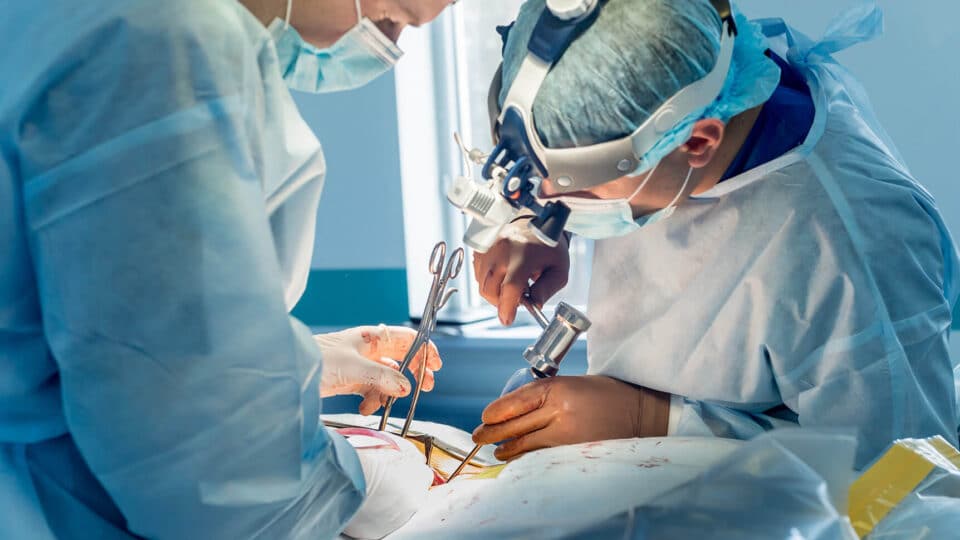
Post-spinal surgery rehabilitation is a structured recovery process after an operation on the neck or lower back. This may include procedures such as discectomy, microdiscectomy, spinal decompression or spinal fusion.
Surgery may address a specific spinal problem, but it does not automatically restore full strength, movement, confidence or fitness. Rehabilitation helps bridge the gap between surgery and getting back to everyday life.
Recovery varies depending on the type of surgery, the original condition, your general health and your individual circumstances. Some pain, stiffness, fatigue or altered sensation can occur during rehabilitation.
The aim is to rebuild gradually while respecting any restrictions given by your consultant or surgical team.
Common Symptoms
Common symptoms and challenges after spinal surgery include:
- Pain following surgery
- Stiffness in the neck or lower back
- Reduced movement
- Reduced strength
- Reduced physical capacity
- Fear of bending
- Fear of lifting
- Fear of moving normally
- Reduced confidence with daily activities
- Ongoing nerve symptoms during recovery
- Difficulty returning to work
- Difficulty returning to exercise
- Difficulty returning to sport
- Fatigue during rehabilitation
- Uncertainty about what is safe to do
Common Causes & Risk Factors
Rehabilitation needs vary from person to person. Recovery may be influenced by the type of surgery, your pre-surgery symptoms and how confident you feel returning to movement.
Common factors that can affect recovery include:
- Lumbar discectomy
- Cervical discectomy
- Microdiscectomy
- Spinal decompression
- Spinal fusion
- Other spinal procedures
- Reduced activity before surgery
- Pain or nerve symptoms before surgery
- Surgical restrictions
- Fear of bending or lifting
- Avoiding movement for too long
- Doing too much too soon because pain has improved
- Returning to lifting before rebuilding strength
- Comparing your recovery timeline with someone else’s
- Focusing only on the surgical site rather than whole-body strength
Your recovery should be based on your surgery, your symptoms and your surgical team’s advice, not someone else’s timeline.
Do I Need to See a Physio, GP or A&E?
Physiotherapy is appropriate once you have been cleared to begin rehabilitation by your surgical team. A physiotherapist can help you rebuild movement, strength, walking tolerance, confidence and activity capacity in a safe, structured way.
It is important to follow any post-operative restrictions given by your consultant, surgeon or hospital team. These may differ depending on the procedure.
You should seek urgent medical assessment if you develop:
- New or rapidly worsening weakness
- New loss of bladder or bowel control
- New numbness around the groin or saddle area
- Severe or rapidly worsening pain
- Fever
- Signs of infection
- Redness, swelling or discharge from the surgical wound
- New neurological symptoms that are significantly different from your expected recovery
These symptoms should be checked promptly, particularly after surgery.
How We Assess and Treat This at Sports & Spinal Physio
At Sports & Spinal Physio in Hutton, Brentwood, we start by understanding your surgery, your consultant’s guidance and your current symptoms. We will ask about pain, stiffness, nerve symptoms, walking, sleep, work demands, exercise goals and any restrictions you have been given.
Your assessment may include checking movement, strength, walking pattern, balance, functional tasks, lifting confidence and your current activity tolerance. We will also monitor for symptoms that may require medical review.
Treatment may include:
- Manual therapy, where appropriate
- Strength and rehabilitation exercises
- Load management education
- Gait and movement analysis
- Better Back Programme
Rehabilitation is usually progressive. This means starting at a suitable level, then gradually building strength, mobility and confidence as your body is ready.
Our aim is to help you return to the life and activities you want, without rushing the process or protecting your spine indefinitely.
What You Can Do at Home
Try not to assume that feeling better means you can immediately return to heavy lifting or intense training. At the same time, avoiding movement for too long can slow the rebuilding of confidence and capacity.
You may find it helpful to:
- Follow the restrictions from your surgical team
- Keep moving within your advised limits
- Build walking tolerance gradually
- Avoid prolonged bed rest unless advised
- Avoid heavy lifting until you have rebuilt strength and tolerance
- Increase activity step by step
- Avoid comparing your recovery with someone else’s
- Monitor any new or worsening neurological symptoms
- Keep the surgical wound clean and follow hospital advice
- Seek help if pain, weakness or wound symptoms change significantly
The goal is steady progress, not rushing or over-protecting.
Frequently Asked Questions
When can I start exercising after spinal surgery?
This depends on your surgery and the advice from your surgical team. Physiotherapy should begin when you have appropriate clearance, and exercises should be matched to your stage of recovery.
Is it normal to still have pain after surgery?
Some pain, stiffness, fatigue or altered sensation can occur during recovery. However, severe, rapidly worsening or significantly different symptoms should be checked promptly.
When can I bend and lift again?
This depends on the type of surgery and the restrictions you have been given. Bending and lifting are usually reintroduced gradually as movement, strength and confidence improve.
How do I get back to the gym?
Gym return should be planned step by step. We usually start with controlled movement and strengthening, then gradually increase load, range and complexity based on your surgery, symptoms and goals.
How long will it take before I feel normal again?
Recovery varies between people. It depends on the procedure, your symptoms before surgery, general health, strength, confidence and activity goals. Comparing your timeline with someone else’s is rarely helpful.
Does pain after surgery mean something has gone wrong?
Not always. Pain can be part of normal healing and rehabilitation, but sudden severe pain, worsening weakness, bladder or bowel changes, wound problems or fever should be assessed.
Do I still need rehab if surgery fixed the problem?
Yes, rehabilitation is often still important. Surgery may address a structural issue, but rehab helps rebuild movement, strength, confidence and capacity for work, exercise and daily life.
Book Post-Spinal Surgery Rehab in Hutton, Brentwood
If you are recovering from spinal surgery and want support returning to movement, work, exercise or sport, we can help you progress safely.
At Sports & Spinal Physio in Hutton, Brentwood, we will work within your surgical guidance, assess your current capacity and guide you through a structured rehabilitation plan.
Book an assessment or discovery call for supportive, personalised advice.
Written By Amirtha Raman MSc Phys MCSP
Next Steps: Use one of our 4 options below to get started...
What Our Patients Say
Finally
If you are still considering what to do or just browsing why not download one of our free guides below.