
Mechanical Lower Back Pain Treatment in Hutton, Brentwood – Sports & Spinal Physio
Introduction
Mechanical lower back pain is very common and can affect people of any age. This page is for desk-based workers, manual workers, gym-goers, runners, recreational athletes and people who have recently changed their activity level, training routine or workload.
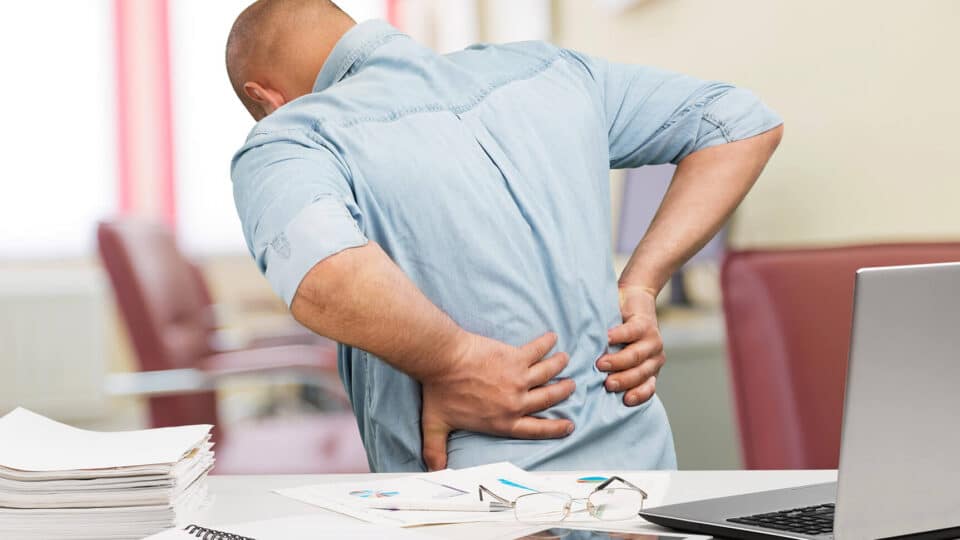
You may feel aching or stiffness in the lower back, pain after prolonged sitting or standing, discomfort with bending or lifting, or difficulty getting up after sitting. Symptoms often vary with movement and activity. Some people also feel pain referring into the buttock without tingling, numbness or weakness in the leg.
Most episodes of mechanical lower back pain are not caused by serious disease or major structural damage. Recovery often involves gradually restoring movement, strength and normal activity. At Sports & Spinal Physio in Hutton, Brentwood, we can help you understand your back pain and build a clear plan forward.
What is Mechanical Lower Back Pain?
Mechanical lower back pain is pain that is influenced by how the back moves, loads and responds to daily activity. It may be linked with muscles, joints, discs, ligaments or general sensitivity around the lower back.
It does not automatically mean you have slipped a disc, damaged your spine or put your back “out of alignment”. Pain can be very uncomfortable without meaning there is serious damage.
Mechanical back pain often changes with posture, movement, lifting, sitting, standing or exercise. It may feel better with gentle movement or worse after staying in one position for too long.
The goal is not to protect your back from movement forever. The aim is to gradually rebuild confidence, strength and tolerance so you can return to normal life.
Common Symptoms
Common symptoms of mechanical lower back pain include:
- Aching in the lower back
- Stiffness in the lower back
- Pain after prolonged sitting
- Pain after prolonged standing
- Discomfort when bending
- Discomfort when lifting
- Difficulty getting up after sitting
- Pain that varies with movement
- Pain that varies with activity
- Pain during gym training or exercise
- Pain during manual work
- Symptoms after a change in workload or activity
- Sometimes pain referring into the buttock
- No clear neurological symptoms such as leg numbness or weakness
Common Causes & Risk Factors
Mechanical lower back pain can develop when the back is exposed to more load, repetition or sustained positioning than it is currently tolerating well.
Common causes and risk factors include:
- Desk-based work
- Manual work
- Prolonged sitting
- Prolonged standing
- Bending and lifting
- Gym training
- Running
- Recreational sport
- A recent increase in activity
- A recent increase in workload
- Staying in bed or resting for too long
- Avoiding normal movement
- Fearfully avoiding bending and lifting
- Returning to heavy exercise too quickly
- Focusing only on pain relief rather than building capacity
- Expecting one exercise or treatment to permanently fix the back
Bending and lifting are normal movements. They may need to be rebuilt gradually, but they do not need to be avoided forever.
Do I Need to See a Physio, GP or A&E?
It may be okay to monitor mild lower back pain for a short time if symptoms are manageable, improving, and there are no leg weakness, numbness, bladder or bowel symptoms, fever or unexplained symptoms.
Physio is appropriate if back pain affects sitting, standing, bending, lifting, work, sleep, gym training, running or daily activity. A physiotherapist can assess your movement, strength, activity tolerance and any contributing factors, then guide you through a structured recovery plan.
You should seek urgent medical assessment if you have:
- New bladder or bowel problems
- Numbness around the groin or saddle area
- Significant or progressive weakness in the legs
- Severe pain following major trauma
- Fever or feeling acutely unwell
- Unexplained weight loss
- Severe, persistent night pain
- Other unexplained symptoms alongside back pain, such as eye inflammation or significant digestive symptoms
These symptoms are not typical of straightforward mechanical lower back pain and should be checked promptly.
How We Assess and Treat This at Sports & Spinal Physio
At Sports & Spinal Physio in Hutton, Brentwood, we begin by listening to how your back pain started, where you feel it and what activities affect it. We will ask about sitting, standing, bending, lifting, work demands, gym training, running, sleep and any previous episodes.
Your assessment may include checking lower back movement, hip movement, strength, walking pattern, lifting tolerance, movement confidence and how symptoms respond to different positions or tasks.
Treatment may include:
- Manual therapy
- Strength and rehabilitation exercises
- Load management education
- Gait and movement analysis
- Acupuncture, where appropriate
- Better Back Programme
Manual therapy or acupuncture may help with symptoms for some people, but long-term improvement usually depends on active rehabilitation, education and gradually rebuilding capacity.
Our aim is to help you understand what is causing your symptoms, reduce fear around movement and return to normal activity safely.
What You Can Do at Home
Try not to stay in bed or rest for too long. Complete rest can make the back feel stiffer and more sensitive.
You may find it helpful to:
- Keep gently active within comfortable limits
- Avoid prolonged bed rest
- Change position regularly
- Return to bending gradually
- Modify heavy lifting during a flare-up
- Avoid returning to intense exercise too quickly
- Build strength step by step
- Use short walks or gentle movement to stay mobile
- Focus on what your back can do, not just pain levels
- Seek help if symptoms are worsening or not improving
Most mechanical back pain improves when you gradually restore movement, strength and normal activity — not when you protect your back from movement.
Frequently Asked Questions
What is actually causing my back pain?
Mechanical lower back pain can be influenced by muscles, joints, discs, ligaments, movement patterns, workload and general sensitivity. It is not always possible or necessary to blame one single structure. Assessment helps identify the main factors contributing to your symptoms.
Do I need an MRI?
Not usually. Most mechanical lower back pain can be assessed clinically without immediate imaging. An MRI may be considered if symptoms are severe, unusual, worsening or linked with concerning neurological signs.
Should I stay in bed and rest?
No, prolonged bed rest is rarely helpful. Short periods of rest may be needed during a flare-up, but gentle movement and gradual return to activity are usually more effective.
Can I still go to the gym?
Often, yes, but you may need to adapt exercises, reduce load or avoid movements that strongly aggravate symptoms for a short time. The aim is to keep you active while rebuilding tolerance gradually.
How do I stop my back pain from coming back?
Reducing recurrence usually involves improving strength, movement confidence, lifting tolerance, workload management and general activity levels. Relying only on short-term pain relief is less likely to build long-term resilience.
Is my back out of alignment?
Usually, no. Back pain does not normally mean your spine is out of place. Treatment focuses on improving movement, strength, confidence and load tolerance rather than “putting the spine back in”.
Does bending damage my spine?
Bending is a normal movement. It may feel painful when your back is sensitive, but that does not automatically mean damage is happening. Bending and lifting can usually be reintroduced gradually.
Book a Mechanical Lower Back Pain Assessment in Hutton, Brentwood
If lower back pain is affecting sitting, standing, bending, lifting, gym training, running, work or daily life, we can help you understand what is going on.
At Sports & Spinal Physio in Hutton, Brentwood, we will assess your back, explain your symptoms clearly and guide you through a practical plan to restore movement, strength and confidence.
Book an assessment or discovery call for supportive, personalised advice.
Written By Amirtha Raman MSc Phys MCSP
Next Steps: Use one of our 4 options below to get started...
What Our Patients Say
Finally
If you are still considering what to do or just browsing why not download one of our free guides below.