
Hamstring Strain / Tendinopathy Treatment in Hutton, Brentwood – Sports & Spinal Physio
Introduction
Hamstring pain can be frustrating, especially if it stops you running, sprinting, dancing, lifting in the gym or playing sport. This page is for teenagers, active adults and adults aged 18–55 who have pain at the back of the thigh, under the buttock, or through the hamstring muscle.
You may notice pain after sprinting, overstretching, lunges, deadlifts or football. Some people feel stiffness after sitting for long periods, while others feel reduced strength or flexibility when trying to return to activity.
Many people worry they have badly “torn” something, but most hamstring strains and tendon problems recover well without surgery. At Sports & Spinal Physio, we help you understand what is going on and guide your recovery safely. Book an assessment if your hamstring pain is limiting your sport, work or daily life.
What is Hamstring Strain / Tendinopathy?
The hamstrings are a group of muscles at the back of your thigh. They help you bend your knee, extend your hip and produce power when running, sprinting, jumping or changing direction.
A hamstring strain usually happens when the muscle is overloaded, often during sprinting or a sudden stretch. Pain may be felt in the muscle belly or higher up near the buttock.
Hamstring tendinopathy involves irritation or overload of the tendon, often near where the hamstring attaches under the buttock. This can feel worse with sitting, running, bending, lunging or returning to sport too quickly.
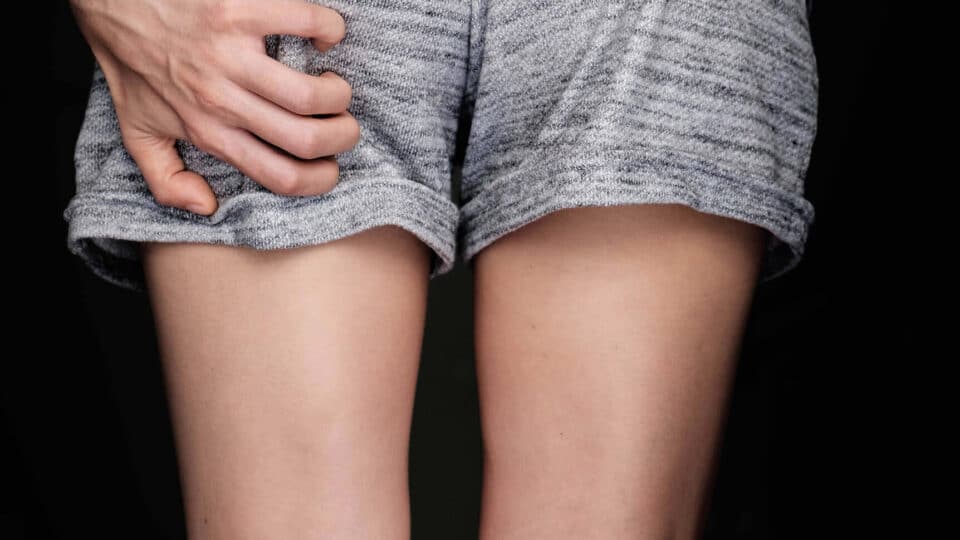
Common Symptoms
Common symptoms of hamstring strain or tendinopathy include:
- Pain in the back of the thigh
- Pain under the buttock
- Pain after sprinting or overstretching
- Pain during running, football, ballet, lunges or deadlifts
- Stiffness after sitting for long periods
- Discomfort when sitting on hard surfaces
- Tightness after activity
- Reduced flexibility
- Reduced strength when pushing off, running or lifting
- Symptoms that fluctuate during recovery
- Mild to moderate pain when walking or exercising
Common Causes & Risk Factors
Hamstring pain often develops when the muscle or tendon is asked to do more than it is ready for.
Common causes and risk factors include:
- Sprinting, football, running, ballet, cycling or gym training
- Returning to sport before full recovery
- A sudden increase in training load
- Repetitive straining
- Overstretching
- Repeated bending or lifting at work
- Sitting for long periods
- Previous hamstring injury
- Reduced strength or control through the lower limb
- Returning to sport after a break
Hamstring problems are common in teenagers, active adults and adults aged 18–55, especially those involved in sports that require speed, power, flexibility or repeated hip movement.
Do I Need to See a Physio, GP or A&E?
It may be okay to monitor mild hamstring discomfort for a short period if you can walk normally, symptoms are improving, and there is no significant swelling, bruising or weakness. Gentle movement and avoiding painful activities may help settle symptoms.
Physio is appropriate if pain continues, keeps returning, affects running or sport, causes discomfort with sitting, or makes you feel unsure about how much activity is safe. A physiotherapist can assess your strength, movement and loading tolerance, then guide your return to activity.
You should seek urgent medical advice from a GP, NHS 111 or A&E if you have:
- A sudden “pop” with severe pain and immediate weakness
- Large swelling or significant bruising spreading down the leg
- Inability to walk properly or bear weight for more than one week
- Numbness or tingling
- Loss of bladder or bowel control
- Severe lower back pain with leg weakness
These signs do not mean something serious is always present, but they should be checked.
How We Assess and Treat This at Sports & Spinal Physio
At Sports & Spinal Physio, we start by listening to how your symptoms began, what activities bring them on, and what you want to get back to. This might be running, football, sprinting, ballet, cycling, gym training, work duties or simply sitting comfortably.
Your assessment may include checking hamstring strength, flexibility, lower limb control, walking or running patterns, and movements such as bending, lunging or lifting. This helps us understand whether the main issue is muscle strain, tendon irritation, load tolerance or movement strategy.
Treatment may include:
- Manual therapy
- Strength and rehabilitation exercises
- Load management education
- Gait and movement analysis
- Shockwave therapy, where appropriate
- A lower limb rehabilitation programme
We place a strong focus on active rehab and education. Complete rest is rarely the answer for hamstring pain. The right combination of progressive loading, strength work and guided rehabilitation is usually the key to lasting recovery.
What You Can Do at Home
Try not to panic if symptoms fluctuate. Mild to moderate discomfort can be common during recovery, especially as activity levels change.
You may find it helpful to:
- Reduce sprinting, fast running, heavy deadlifts or deep lunges for now
- Keep moving within a comfortable range
- Avoid repeatedly testing the hamstring with aggressive stretching
- Break up long periods of sitting
- Use softer seating if sitting on hard surfaces is painful
- Return to activity gradually rather than all at once
- Notice which movements increase symptoms and modify them temporarily
You do not always need to stop exercising completely. The aim is usually to find the right level of activity while the hamstring rebuilds strength and tolerance.
Frequently Asked Questions
Why does my hamstring keep tightening up?
Hamstring tightness is not always just a flexibility problem. It can be a sign that the muscle or tendon is sensitive, overloaded or not yet strong enough for the activity you are asking it to do. It can also indicate an issue with the sciatic nerve.
Should I stop running completely?
Not always. Some people need a short period away from faster running or sprinting, but complete rest is rarely the long-term answer. A physio can help you find a safe level of running and build back gradually.
Do I need a scan or MRI?
Many hamstring strains and tendon problems can be assessed without a scan. Imaging may be considered if symptoms are severe, not improving, or if there are signs that need further medical investigation.
How long will it take to heal?
Recovery time depends on the severity of the injury, whether the tendon is involved, your sport, your training load and whether this has happened before. A mild strain may settle quicker, while tendon-related pain often needs a more gradual strengthening plan.
Why does it hurt more when I sit down?
Pain under the buttock can sometimes come from irritation around the upper hamstring tendon. Sitting, especially on hard surfaces, can compress this area and make symptoms more noticeable.
Is pain during rehab a bad sign?
Not always. Mild to moderate discomfort can be common during recovery, but sharp, worsening or lingering pain may mean the load is too high. Your rehab should be adjusted to match your current tolerance.
Will rest alone fix my hamstring?
Rest may calm symptoms in the short term, but it often does not rebuild strength or reduce the chance of symptoms returning. Progressive loading and guided rehabilitation are usually important for a confident return to sport or activity.
Book a Hamstring Pain Assessment in Hutton, Brentwood
If hamstring pain is stopping you running, training, sitting comfortably or returning to sport, we can help you understand what is going on and what to do next.
At Sports & Spinal Physio, we will assess your symptoms, explain your options clearly, and guide you through a practical rehabilitation plan that fits your goals.
Book an appointment or discovery call to start your recovery with support.
Written By Amirtha Raman MSc Phys MCSP
Next Steps: Use one of our 4 options below to get started...
What Our Patients Say
Finally
If you are still considering what to do or just browsing why not download one of our free guides below.